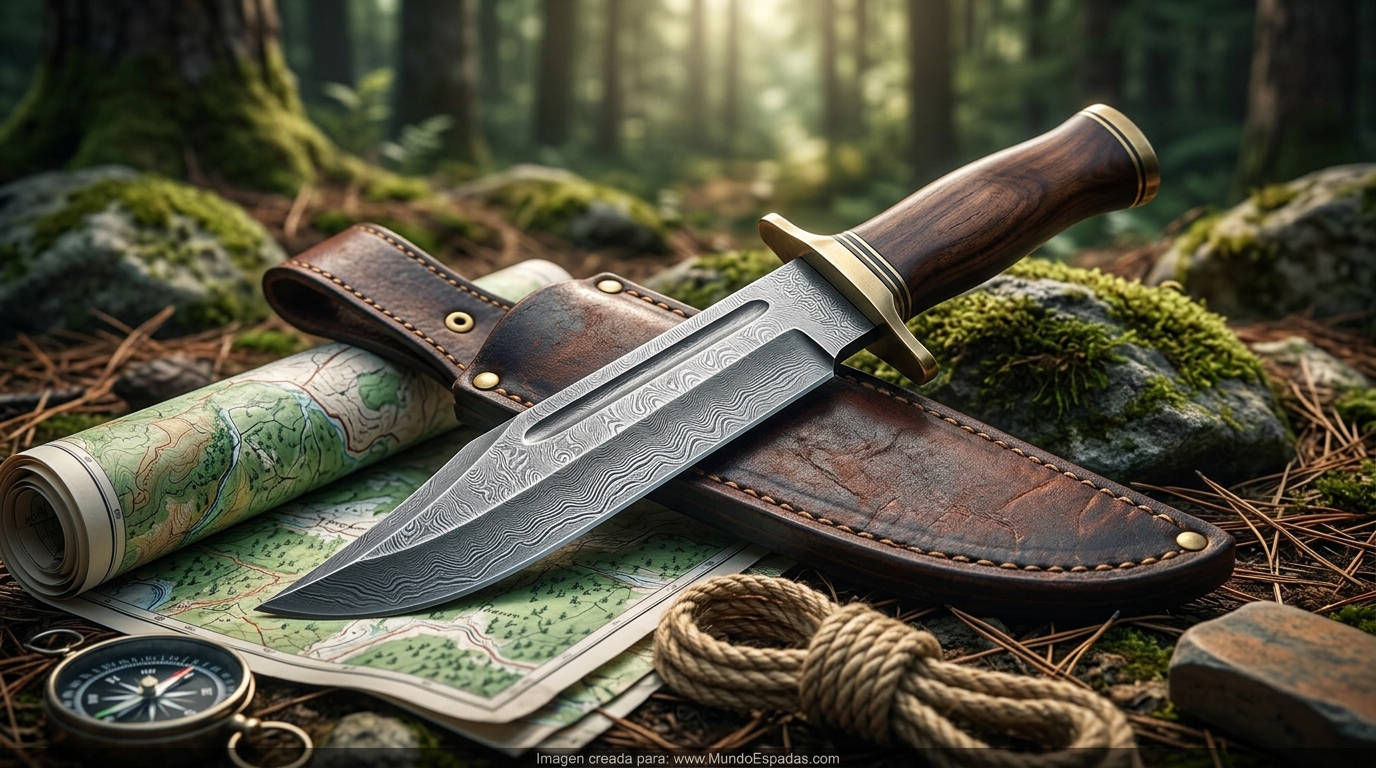
If you’re looking for a robust and legendary companion, buying a Bowie knife is a decision that brings with it history, functionality, and an unmistakable style. In our specialist shop, we offer an unparalleled selection of faithful replicas and contemporary models, perfect for both the discerning collector and the survival enthusiast. This iconic knife transcends its utility, being a symbol of American forging and a silent witness to countless adventures.
What is a Bowie Knife? Origins and History of a Legend
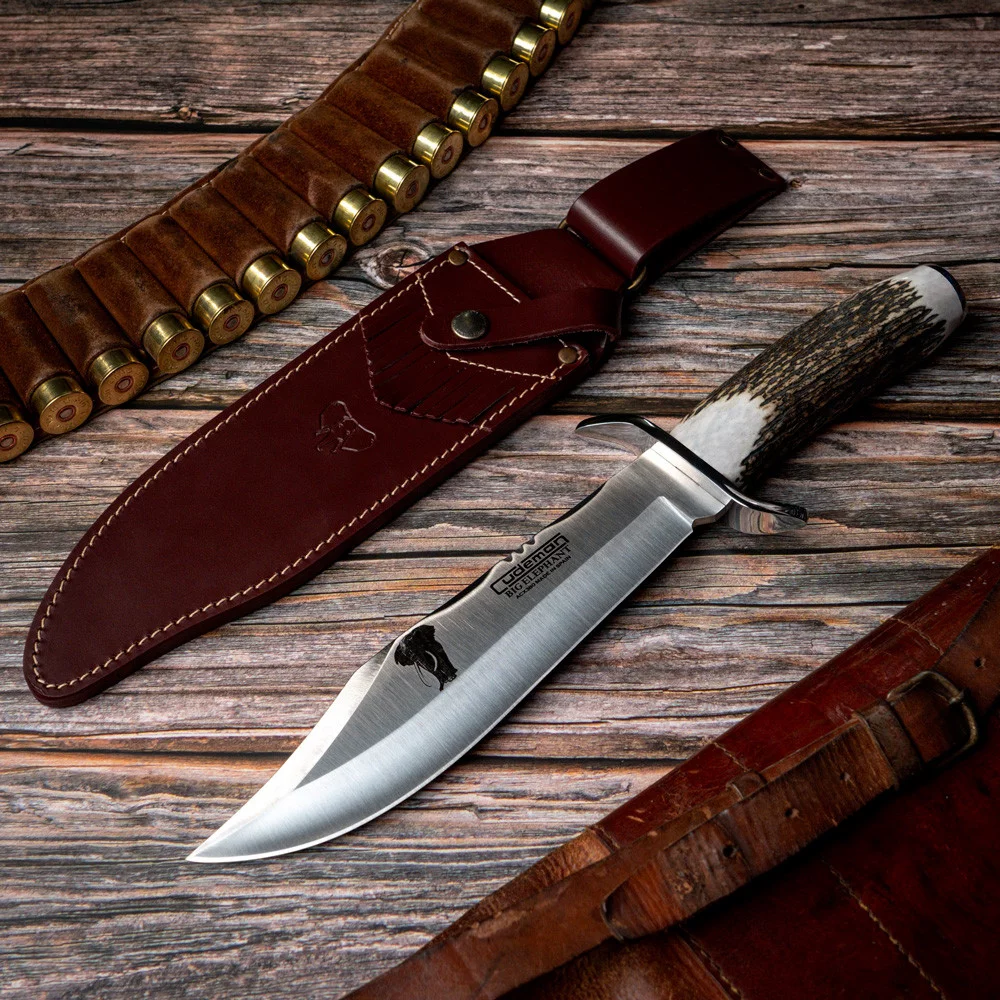
The Bowie knife is a large blade, generally with a clip-point tip and a prominent handguard. It was made famous by the intrepid American pioneer James “Jim” Bowie, although the exact details of its creation are debated. Its robust design made it ideal for personal defence. Legend has it that Jim Bowie used a knife of this kind in the “Sandbar Duel” of 1827. This event catapulted the weapon’s fame, which quickly became an icon of the Wild West. Its distinctive silhouette has remained virtually unchanged over the centuries.
Types and Styles of Bowie Knives: Beyond the Classic
Although the traditional image of a Bowie is clear, there are significant variations in its design. These differences evolved to adapt to different eras and needs, offering a rich diversity for the collector. From compact models to authentic short swords, versatility defines the Bowie.
The Traditional American Bowie
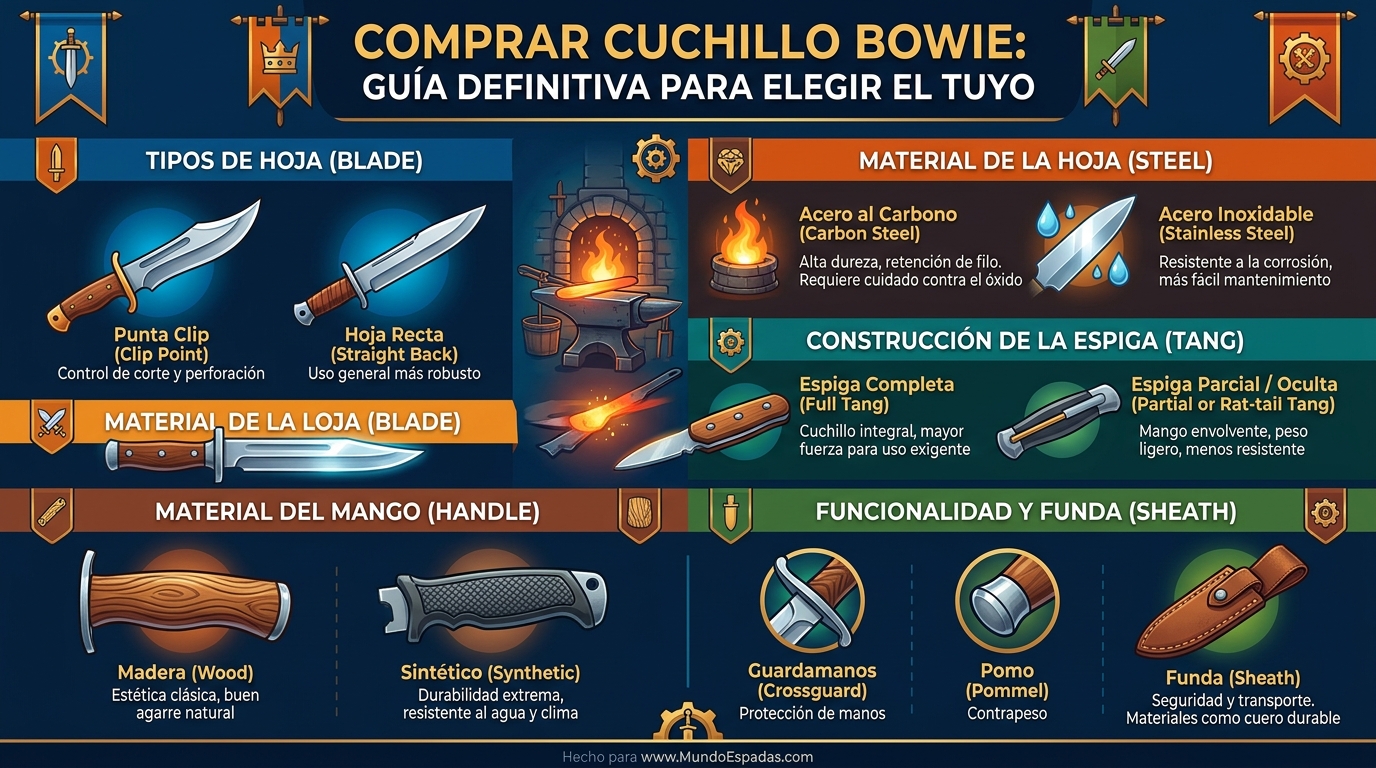
Characterised by its carbon blade, pronounced clip-point tip, and “S”-shaped guard. This design is most associated with Jim Bowie and the pioneers. It forms the basis of most historical replicas.
Hunting and Survival Bowie
These usually feature thicker and sometimes serrated blades, with ergonomic handles for a secure grip. They often incorporate modern features such as high-strength stainless steels. They are multifunctional tools designed for tough work in the wilderness.
Crucial Materials: Forging Your Perfect Bowie Knife
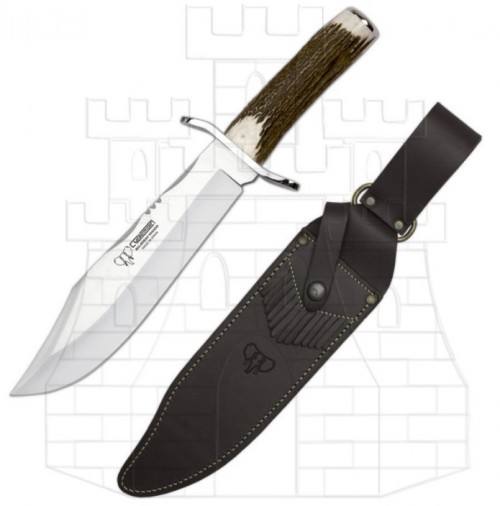
The choice of materials is fundamental to the quality and durability of a Bowie knife. Both the blade and the handle and guard contribute significantly to its performance and aesthetics. A Bowie knife is an investment in craftsmanship and functionality.
Steels for the Blade
Traditionally, carbon steel was used, known for its excellent edge retention and ease of sharpening. However, it is susceptible to corrosion if not properly cared for. Modern stainless steels, such as 440C or AUS-8, offer greater resistance to oxidation. Damascus steel, with its unique patterns, is another popular option for collectible Bowies. It offers stunning aesthetics and great strength for high-end pieces. Rockwell hardness is also a critical factor.
Handle Materials
A Bowie handle can be made of wood (walnut, ebony), bone, antler (deer, buffalo), or synthetic materials such as micarta or G-10. Each material offers a different feel and grip, as well as varying levels of durability. Ergonomics are key for safe handling.
Use and Modern Applications of the Bowie Knife: From Survival to Collecting
Although the Bowie knife was born in a context of personal defence and survival in the Wild West, its applications today are much more diverse. Its robust and versatile design makes it suitable for a multitude of tasks. It is much more than a display piece. In the field of survival and bushcraft, the Bowie is an invaluable tool. Its large and strong blade can be used for chopping wood, preparing kindling, building shelters, and dismembering small game. Its weight and balance allow for efficient field work. Numerous professionals, from hunters to experienced campers, rely on the reliability of a good Bowie.
Its ability to withstand rough use makes it a popular choice for remote expeditions. It offers a versatility that few blades can match. For collectors, the Bowie represents a piece of American history and artisanal mastery. Historical replicas, custom models, and limited edition pieces are highly sought after. Authenticity and material quality are key criteria for valuing these pieces. A collectible Bowie is not only a work of art, but also a window into a bygone era of audacity and exploration. Its iconic shape evokes images of pioneers and legendary heroes.
It possesses intrinsic aesthetic value. Furthermore, the Bowie knife finds its place in cinema and literature, consolidating its status as a cultural icon. Appearances in films or novels often rekindle interest in this legendary instrument. Its mystique endures in popular imagination.
Maintenance and Care of Your Bowie Knife: Preserving Its Durability and Beauty
A Bowie knife is an investment and, as such, requires proper maintenance to preserve its beauty and functionality over time. Regular care ensures the blade retains its edge, and the handle materials maintain their condition. The longevity of your knife depends on these practices. For carbon steel blades, it is essential to clean and dry them immediately after each use to prevent oxidation. Applying a thin layer of mineral oil or carnauba wax will help protect the surface. This is especially important in humid environments.
Sharpening should be done carefully, using sharpening stones or specific systems to maintain the original edge angle. Incorrect sharpening can damage the blade. It is advisable to learn from an expert or follow detailed guides. Wooden or bone handles benefit from periodic treatments with conditioning oils to prevent them from drying out or cracking. Synthetic materials are less demanding, but regular cleaning with soap and water is sufficient. The guard and pommel also need attention to prevent corrosion. Storing the knife in a suitable sheath, preferably leather or Kydex, and in a dry environment is crucial. Avoid plastic or rubber sheaths that can trap moisture. Correct storage prevents damage and ensures safety.
Factors to Consider When Buying a Bowie Knife: A Smart Buying Guide
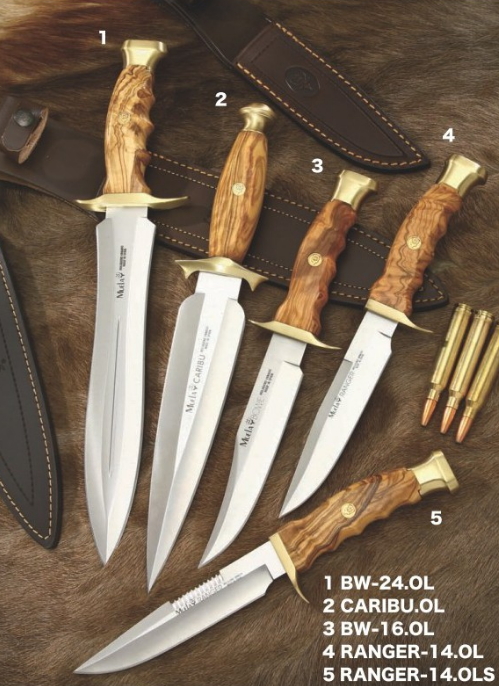
Choosing the perfect Bowie is not an easy task; it involves considering various aspects that go beyond aesthetics. An informed buyer values functionality and quality of construction. This is a summary of key points for your decision. * Purpose of use: Do you want it for collecting, outdoor use, or as a decorative piece? This will influence the type of steel, size, and materials. * Type of steel: Choose between carbon steels for durability and ease of sharpening, or stainless steels for corrosion resistance. Modern alloys offer an excellent balance. * Size and weight: Bowies vary enormously.
A larger Bowie is ideal for heavy-duty tasks, while a more compact one may be more practical for everyday carry. * Blade design: The classic clip-point is the most recognised, but there are variants that may be better suited for certain tasks. Consider the thickness and profile of the blade. * Handle material and ergonomics: Ensure the handle is comfortable and provides a secure grip, especially if you plan to use it for demanding activities. * Construction: A full tang is preferable for greater strength and balance. The quality of the finishes is an indicator of overall craftsmanship.
Evolution and Legacy: A Temporal Journey Through the Bowie Knife
The Bowie knife has been a witness and protagonist of history, adapting and evolving over time, but always maintaining its essence. Its legacy is a reflection of the resilience and indomitable spirit of a nation. Exploring its chronology is to understand part of American forging.
Origins and Early Fame (Early 19th Century)1820sFirst designs of “Bowie-type” knives in the United States, possibly inspired by Spanish machetes or hunting knives.1827The “Sandbar Duel” (Louisiana) catapulted the fame of Jim Bowie and, consequently, the knife associated with his name.1830sCommercial production of “Bowie” knives began, though without a single standardised design.
Each gunsmith had their own interpretation. Heyday and Civil War (Mid-19th Century)1836Jim Bowie dies at the Battle of the Alamo, cementing his legend and that of his knife in the collective American memory.1840s-1850sThe Bowie knife becomes a popular weapon and a status symbol in the American West and South.
Artistic variants with inlays were produced.1860sWidespread use of the Bowie knife among soldiers on both sides during the American Civil War and in frontier wars. Decline and Resurgence (Late 19th Century to Present)1870s-1900sThe Bowie’s popularity waned with the improvement of firearms and the consolidation of law and order.
It became more of a hunting tool. Mid-20th CenturyThe Bowie experienced a resurgence as a survival and tactical knife, influenced by its appearance in Hollywood films. The Bowie knife is prized as a collector’s item, bushcraft tool, and cultural icon, with numerous replicas and modern adaptations.
Unravelling Mysteries: Answers to Your Bowie Concerns
Is it legal to carry a Bowie knife?
The legality of carrying a Bowie knife varies significantly by jurisdiction, both geographically and federally or statewide. In many places, blade size or whether the knife is carried concealed or openly can influence its legality. Some states have specific laws regarding “fighting knives” or blades of a certain length. It is crucial to inform yourself about local laws before buying or carrying a Bowie, especially if you plan to take it beyond private property. It is always best to prevent any legal infraction.
How do you properly sharpen a Bowie knife?
Sharpening a Bowie knife requires technique and the right tools, due to its size and the curvature of its blade. First, identify the factory edge angle, which is usually between 20 and 25 degrees per side. It is recommended to use sharpening stones of different grits: a coarse one to restore the edge if it is very dull, a medium one for sharpening, and a fine one for polishing and achieving a razor-sharp edge. Maintain a constant angle throughout the process, passing both sides of the blade alternately.
What is the difference between an original Bowie and a replica?
An “original Bowie” would refer to those knives dating from the 19th century, directly linked to the designs made famous by Jim Bowie, or forged by gunsmiths of the time such as James Black. These pieces are extremely rare and have incalculable historical and monetary value. A replica, on the other hand, is a modern reproduction that seeks to emulate the design, construction, and sometimes the materials of those historical knives. Replicas are designed to be faithful to the spirit of the original, allowing enthusiasts to own a piece of history.
What maintenance does a Bowie with a wooden handle need?
Wooden handles on Bowie knives require periodic maintenance to prevent them from cracking, drying out, or losing their shine. It is important to protect the wood from extreme changes in temperature and humidity. From time to time, it is recommended to clean the handle with a damp cloth and then apply a protective wood oil, such as linseed or tung oil. This will nourish the wood and help seal its pores, providing resistance against moisture and wear, while maintaining its aesthetic appeal.
Can I use a Bowie knife for survival or bushcraft?
Absolutely. Although the original Bowie design was conceived for combat and personal defence, its robustness and versatility make it an excellent tool for survival and bushcraft activities. Its large blade allows for tasks such as chopping branches, preparing kindling, building improvised shelters, and skinning animals. The tip, often clip-point, is useful for piercing and finer work. However, its size and weight can be a disadvantage for lightweight carrying, so it is important to consider its specific use in the field.
Discover our selection of Buying a Bowie Knife: The ultimate guide to choosing yours


Your Bowie Knife: A Choice of Character and Tradition
The Bowie knife is more than a simple tool; it is a legacy, a symbol of resilience, and a testament to artisanal mastery. When you buy a Bowie knife, you not only acquire a formidable piece, but you also connect with a crucial part of history. We invite you to explore our exclusive selection and find the Bowie that resonates with your adventurous spirit or your collector’s passion. May your choice be the forging of a new personal legend.
Want to own a quality Bowie? | Want to see more hunting knives?