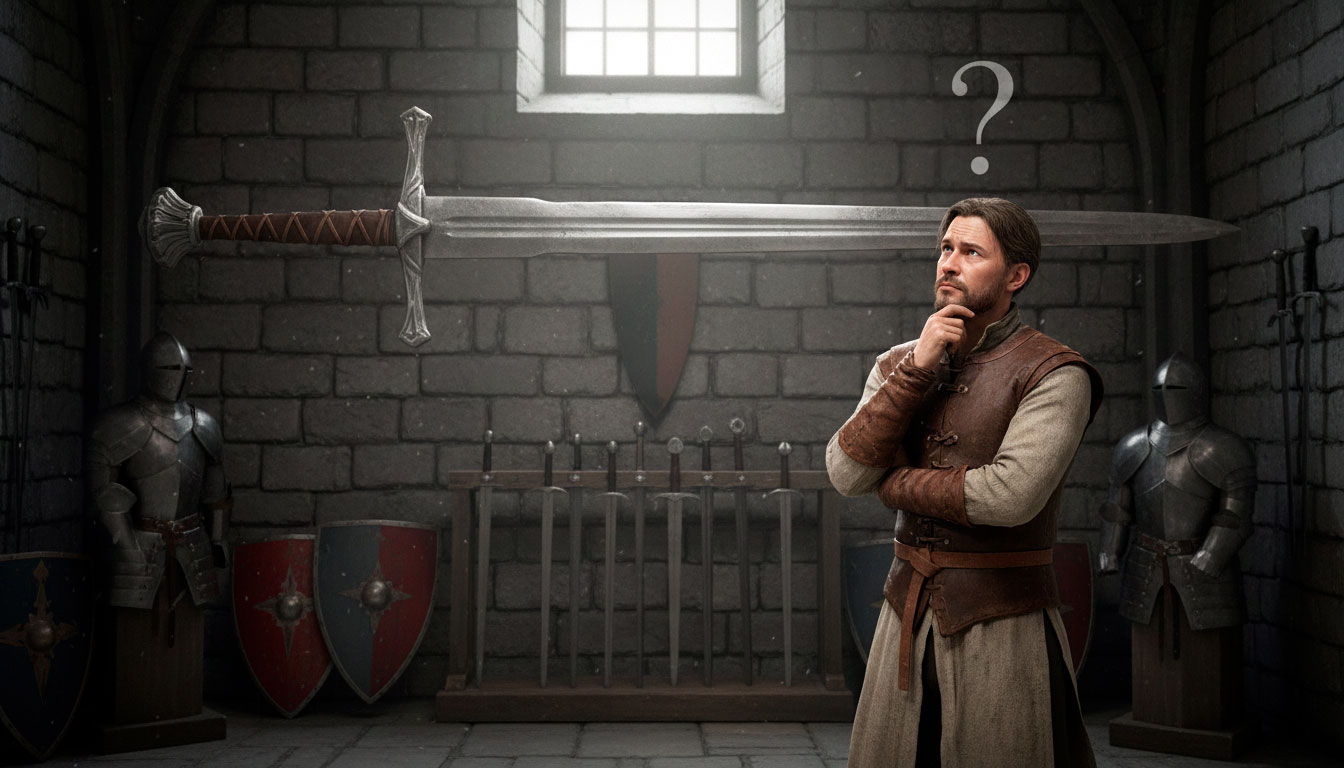
If you are a fan of dark fantasy video games or anime, you surely have in mind the image of warriors wielding heavy metal slabs two meters long. However, when asking how big is a real two-handed greatsword? from a historical perspective, the answer takes us away from fiction and introduces us to fascinating military engineering. Myths of giant swords have distorted our perception of these iconic weapons from the Renaissance and Late Middle Ages.
How big is a real two-handed greatsword? The myth you should know
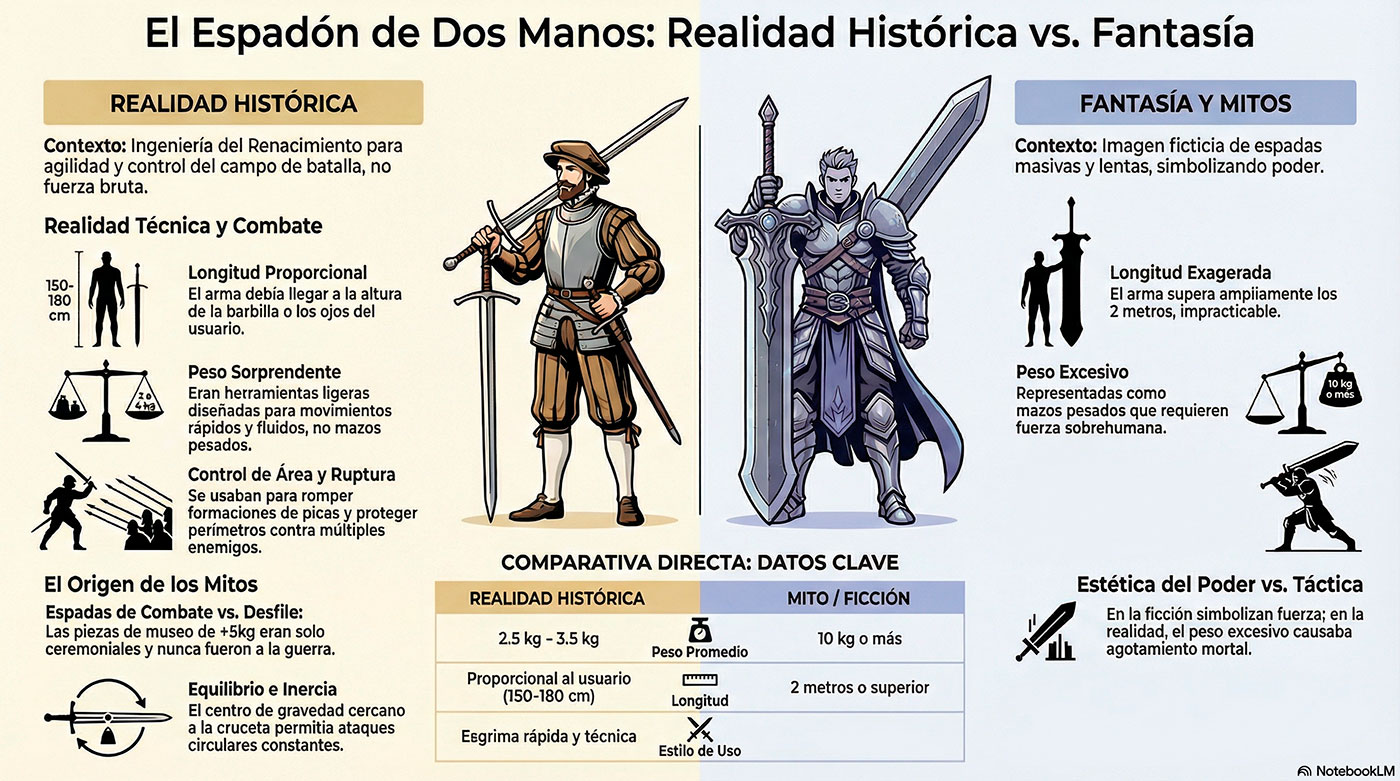
A real two-handed greatsword, such as the famous Zweihänder or the Iberian Montante, usually had a total length ranging between 150 and 180 centimeters. The general rule dictated that the weapon should reach approximately the height of the swordsman’s chin or eyes. Therefore, the actual measurements of the two-handed greatsword were intrinsically linked to the user’s height to ensure its manageability in combat.
As for the mass, the weight of the Zweihänder sword is the most surprising fact: despite its imposing appearance, they weighed between 2 and 3.5 kilograms. Forget the 10-kilo swords from games; such a heavy weapon would be useless on a real battlefield. Greatswords were tools for area control and formation breaking, where agility and balance mattered more than brute force. Knowing the length of the historical montante helps us understand that true mastery resided in fast technique, not in the power of a slow blow.
Real historical dimensions: Length, weight, and types of greatswords
To accurately answer the question about how big is a two-handed greatsword?, it is necessary to analyze ancient fencing treatises and Royal Armory Museums. Although regional variants existed, the real measurements of the two-handed greatsword remained within strictly functional ranges for warfare and guarding. A real two-handed sword was not a factory-standardized object, but a proportioned tool.
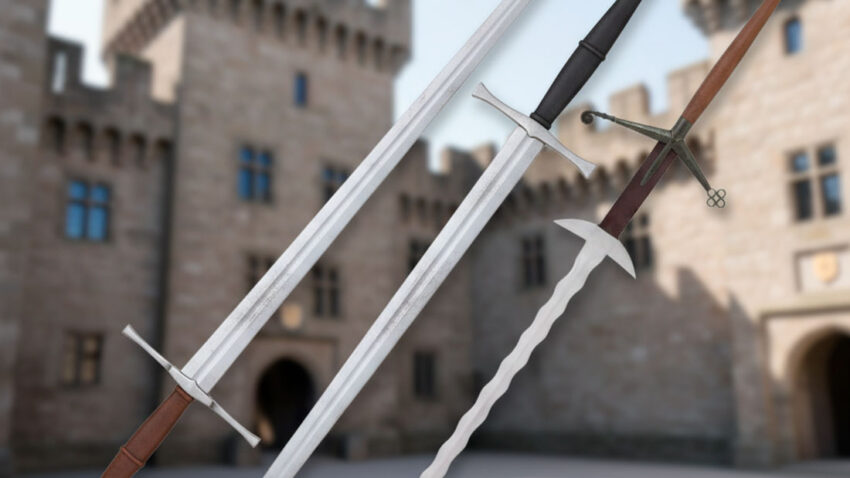
The historical montante length, predominant in the Iberian Peninsula and used by ship escorts and nobles, usually hovered around 150 centimeters. In contrast, the size of a Landsknecht greatsword or Germanic Zweihänder, designed specifically for mercenary units that broke pike squares, could reach 180 centimeters in total length. These “mandobles” were the longest weapons on the battlefield that were not projectiles or polearms.
Regarding weight, the Zweihänder weight-to-length ratio maintains a surprising proportion. A combat specimen weighed between 2.5 and 4 kilograms. Only ceremonial pieces, intended for parades and not for combat, exceeded 5 or 7 kilos, thus feeding the myths of giant swords we see today. The truths behind the medieval greatsword reveal that the secret lay in the center of gravity, located a few centimeters in front of the crossguard. This allowed for continuous circular movements without exhausting the combatant. Whether it was a montante or a claymore sword, the engineering sought to maximize inertia with the minimum physical effort possible for the professional soldier.


Myths vs reality: Why they weren’t as big as in the games
 It is tempting to believe in the legends of warriors carrying colossal 10-kilogram steel sheets, but combat physics dictates a different truth. When questioning how big is a two-handed greatsword? under the lens of entertainment, we discover that giant sword myths respond to an aesthetic of power rather than tactical utility. In a video game, a massive sword symbolizes superhuman strength, but in reality, excessive weight would be a death sentence due to exhaustion and slowness.
The truths about the medieval greatsword show us that these weapons were instruments of astonishing technical elegance. Unlike the slow animations in games, a real two-handed sword moved with fluid speed. They were fencing weapons, not sharpened mallets. The real measurements of the two-handed greatsword allowed the user to harness inertia to maintain constant circular attacks, protecting a complete perimeter against multiple enemy soldiers.
Part of the confusion stems from “bearing” or parade swords. These specimens, which we see in museums today, do have excessive lengths and exaggerated decorations, but they were never taken to war. They were status symbols. In contrast, the actual Landsknecht greatsword size was optimized to be as light as possible without losing its cutting power. The Zweihänder weight-to-length ratio was so balanced that it could be handled with surgical precision, something any game designer sacrifices in favor of visual spectacularity. Historical realism is, ironically, much more impressive than fiction itself.
Truths for swordsmiths and the curious: Lessons and recommendations
 Now that we have broken down technical reality versus digital fiction, it is clear that the answer to how big is a two-handed greatsword? is vital to appreciate the art of ancient fencing. For the gamer or history buff, understanding these real two-handed greatsword measurements shouldn’t break the magic of the game, but rather enrich the experience by recognizing human ingenuity. Giant sword myths are fun, but the true real two-handed sword is a marvel of lightness and balance.
The main lesson is that the weight of the Zweihänder sword, though light, requires a sophisticated technique based on inertia. If you are passionate about the idea of wielding a montante or a historical two-handed sword, we recommend exploring HEMA (Historical European Martial Arts) disciplines. There you can see for yourself that the historical montante length was not an impediment to speed, but rather an invaluable tactical advantage for keeping several opponents at bay.
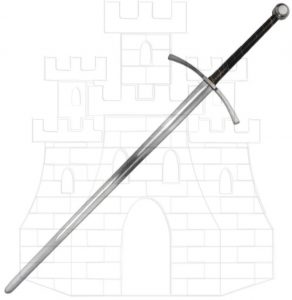
As a final tip, if you are looking to acquire a replica, always make sure that the Landsknecht greatsword or montante size is proportional to your height and that its mass does not exceed the historical limits of four kilos. Real medieval greatswords are the ones that allow you to move with ease without destroying your wrists. In the end, history teaches us that the deadliest warrior was not the one who carried the heaviest iron, but the one who mastered the most balanced and fastest weapon on the battlefield.